Monthly Archive: September 2023

The Rock Ballad Phenomenon: Emotional Journeys Through Classic Rock

Gerard Zappa Wooster

From Yesterday by the Beatles to Straight From The Heart by Bryan Adams to November Rain by Guns N’ Roses, power ballads are slow, emotional rock songs that have been a popular music mainstay since the 1970s. With expressive lyrics and instrumental prowess, these classic rock tracks are a cornerstone of the genre.

While music taste is subjective, Gerard Zappa Wooster says that there is no denying the impact such songs have on the emotions and made on the wider rock genre.

Defining Classic Rock Ballads

Rock ballads are slow-paced, often featuring soft, yet exceptionally performed, instrumentation combined with lyrics that allow the singer and/or artist to express strong emotions.

Each one is as unique as the story they tell, but they tend to follow a verse-chorus-verse structure, with an instrumental solo or bridge in the middle and a 4/4 time. Although, they’ll range from full-blown electric tracks to simpler acoustic tracks.

Unlike the general theme of the genre, rock ballads are a more melodic, slower, and softer side to the fist-clenching, vein-popping appearance of the overarching category. As such, they’ve been popular for years, resonating with listeners just as much today as they did then.

The Emotion-Touching Significance of Classic Rock Ballads

Typically seen as a type of catharsis, classic rock ballads allow people to express and share their emotions through music and lyrics. Their job is to touch emotions, and it appears they do just that — they appear in movies, TV shows, and commercials, proving their ability to encapsulate a feeling and deposit to the sometimes-unsuspecting watcher.

But that isn’t where the hard-hitting tracks leave their emotion-meddling powers. Over the years, such songs have cemented their places in weddings, anniversaries, and plenty other special occassions, offering a powerful and incredibly emotional soundtrack to life’s biggest moments.

Often written by artists who’re going through or have gone through a tough time, classic rock ballads hit home, resonating emotionally (and spiritually) with listeners. Evoking feelings like no other, concerts playing these powerful tunes elicit the iconic lighter-in-the-air scenario as fans are catapulted to a whole new dimension of feeling. Lump-throated reactions are a given.

The question is: how do they bring out such emotions? The answer lies primarily in the tempo; being slower than traditional rock songs gives them the chance to create an emotional response. However, the combination of pop, country, R&B, folk, and other genres help attain a beautiful, melodic sound that tells a feeling-filled story.

Gerard Zappa Wooster

Experiencing the Power of Rock Ballads

Weakening the knees of any hard-as-nails tough guy who listens to them, rock ballads are some of the most powerful songs the world has been blessed with, eliciting tears from people of all walks of life who know love and struggle of some kind.

Music lovers wanting to take a trip down dewy-eyed lanes have a fantastic backlog to get to, including the likes of Total Eclipse of the Heart by Bonnie Tyler, Always by Bon Jovi, and I’d Do Anything For Love (But I Won’t Do That) by Meat Loaf.
Understanding the Significance of the Woodstock Music & Art Fair in 1969

Gerard Zappa Wooster

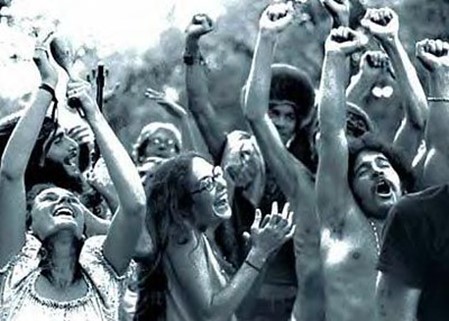
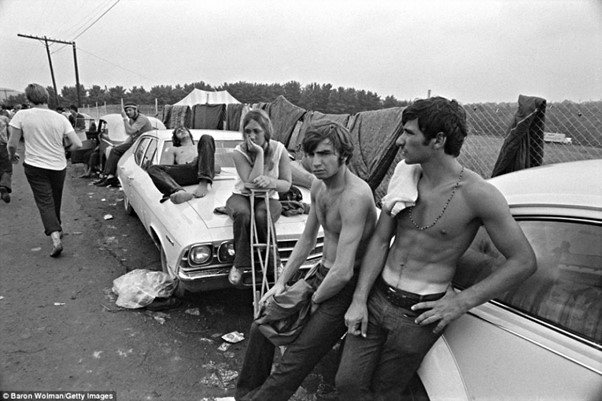
At the time, August 15 to 18, 1969, and Bethel, New York, didn’t know they’d become such a significant pairing. Little did this date and place know that it would host Woodstock Music and Arts Festival, a symbol of US counterculture and a pivotal moment in the music world. In a country otherwise defined by racial tensions, government-defying youth, and war, the festival served as a cultural playground filled to the brim with rock and roll.

Situated on a Bethel field, the unforeseen cultural phenomenon transformed the unassuming land into a historic landmark where highly revered performers played to over 450,000 people. With muddy yet unforgettable moments, Woodstock became a cultural cry for a whole generation, as Gerard Zappa Wooster discusses in more detail below.

American Life Before Woodstock

Long before this pivotal moment in music, the nation was divided. However, events leading up to the historic three-day reprieve of peace, music, and love increased tensions between the people and shaped the country’s history forever.

By the time the festival’s organizers were planning the now-iconic landmark event, the Vietnam War was occurring in full force. And since this was the first time Americans had a front-row seat of the intimate, gory details of battle, the country was facing the growing anti-war movement.

The civil rights movement was another focus of this era. Hate crimes against African Americans were still heartbreakingly common. Thus, the Black Power movement remained full of momentum, particularly following the assassination of Rev. Martin Luther King Jr., which naturally heightened tensions, causing riots and unrest.

The Festival Where People Found Their Voices

Many 60’s artists were a part of the anti-war movement. So, it’s no wonder that the event became a gathering for like-minded Americans to release the country’s tensions through song.

And the same can be said for African American artists (notably Jimi Hendrix and Richie Havens) and their fans, who took to the stage as a symbol of change for people of color. Kicking off with Richie Havens’ performance, the festival cemented itself as the go-to event for the young generation who craved the spiritual experience the setlist demanded.

In a similarly profound manner, Hendrix ended the three-day festival with a psychedelic take on Star-Spangled Banner, featuring the sounds of bombs dropping, which shocked the country and ensconced Woodstock’s political standpoint perfectly.

It’s no wonder, then, that it has lived on as a monumental moment in American history. And that’s despite of all the things that went sideways (e.g., barrages of rain, very few ticket sales, free-entry demands, lack of security, etc.).

Woodstock’s Transformative Impact on Music

Woodstock’s influence extended far beyond its immediate cultural and societal significance. It’s important to recognize that the festival marked a turning point in the music industry, redefining the concept of live performances and setting new standards for large-scale music events.

The gathering showcased the potential of music festivals as platforms for artistic expression, and a sense of collective belonging. The performances at Woodstock weren’t just about entertainment; they served as vehicles for conveying powerful messages and fostering a sense of community and pride.

The festival’s success demonstrated that music could be a unifying force capable of transcending boundaries and inspiring generations to come. Moreover, Woodstock inspired the evolution of music festivals, leading to the development of a thriving festival culture that continues to shape the music landscape today.

Gerard Zappa Wooster

A Marker of Rapidly Changing Times

The audience was diverse, symbolizing quickly changing times. Some were hippies who felt alienated elsewhere. Others were young people who were vehemently against the Vietnam War. And some were African American people deeply involved in the civil rights movement. Others were just those who loved music. It was a blended family of like-minds, and peaceful entertainment.

In retrospect, the Woodstock Music & Art Fair of 1969 reverberates through history as far more than a mere music festival; it encapsulates the spirit of a generation and serves as a timeless symbol of unity, peace, and artistic expression. This iconic event transcended its original intent, becoming a catalyst for social change and a testament to the power of collective ideals.

As we continue to navigate the currents of cultural evolution, the legacy of Woodstock reminds us that in moments of harmony and shared purpose, humanity can break down barriers, inspire transformation, and create an indelible mark in time. The Woodstock festival stands as a radiant beacon, igniting our understanding of the past and illuminating a path towards a more harmonious and interconnected future.